


Why Mission-Driven Tech Will Change the Way You Lead Your Church Worship
- Tim Adams

- Apr 3
- 5 min read
By Tim Adams, President of Timato Systems
Let’s be honest for a second: Sunday morning can feel like a high-wire act. Between the worship team finding their groove, the pastor’s mic needing a last-minute adjustment, and the livestream computer deciding it wants to run an update five minutes before the service starts, "technology" often feels more like a hurdle than a help.
For many church leaders, tech is viewed as a "necessary evil": something we spend money on because we have to, not because we want to. But I’m here to tell you that there is a better way to look at those cables, screens, and speakers. When you stop looking at equipment as a technical requirement and start looking at it as a tool for your specific mission, everything changes.
Mission-driven tech isn’t about having the flashiest gear in the city. It’s about making sure every dollar spent and every button pushed is directly serving the Great Commission.
The Philosophy: Tool vs. Distraction
In the world of church leadership, we often talk about stewardship. Usually, that conversation revolves around saving money. While being a good steward of your budget is vital, there’s a deeper level of stewardship: the stewardship of attention.
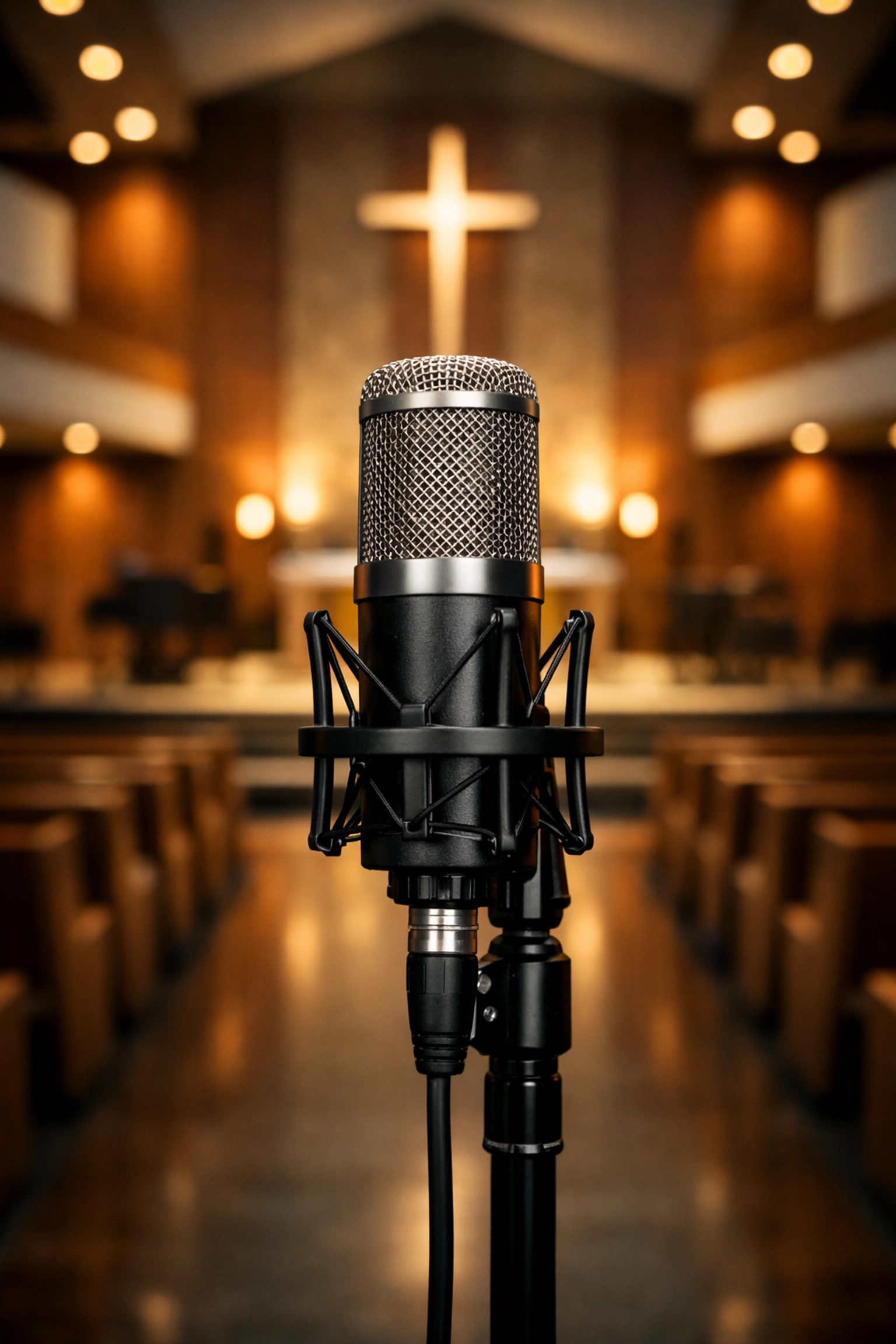
The goal of worship technology is to remove distractions so that the message of the Gospel can be heard clearly. If a microphone crackles, the congregation stops thinking about the sermon and starts thinking about the microphone. If the lyrics on the screen are out of sync, people stop singing and start wondering who is in the booth.
When we adopt a mission-driven approach, we ask, "Does this piece of gear help our people encounter God, or does it get in the way?" We’ve written about this before in our post on stewardship and shifting mindsets, and the principle remains the same: technology should be a transparent bridge between the leader and the listener.
Choosing Tools Based on Your "Why"
I often see churches make the mistake of buying gear because they saw another church using it. That’s a "feature-driven" choice, not a "mission-driven" one. A mission-driven choice starts with your specific context.
Are you a church that focuses heavily on high-energy, modern worship? Then your mission-driven tech needs might prioritize a high-fidelity sound system and Veritas LED walls to create an immersive environment. On the other hand, if your mission is centered on traditional liturgy in a highly reverberant cathedral, your tech focus should be on audio quality vs. room acoustics to ensure the spoken Word is intelligible.
Before you buy your next piece of equipment, ask these three questions:
What is the specific spiritual goal this tool helps us achieve?
Can our current team operate it effectively?
Is this the best use of resources for our specific community?
Choosing the right equipment is about price vs. value. A $20,000 upgrade that sits unused because it’s too complex has zero value, regardless of how "good" the gear is.
Expanding the Foyer: The Digital Front Door
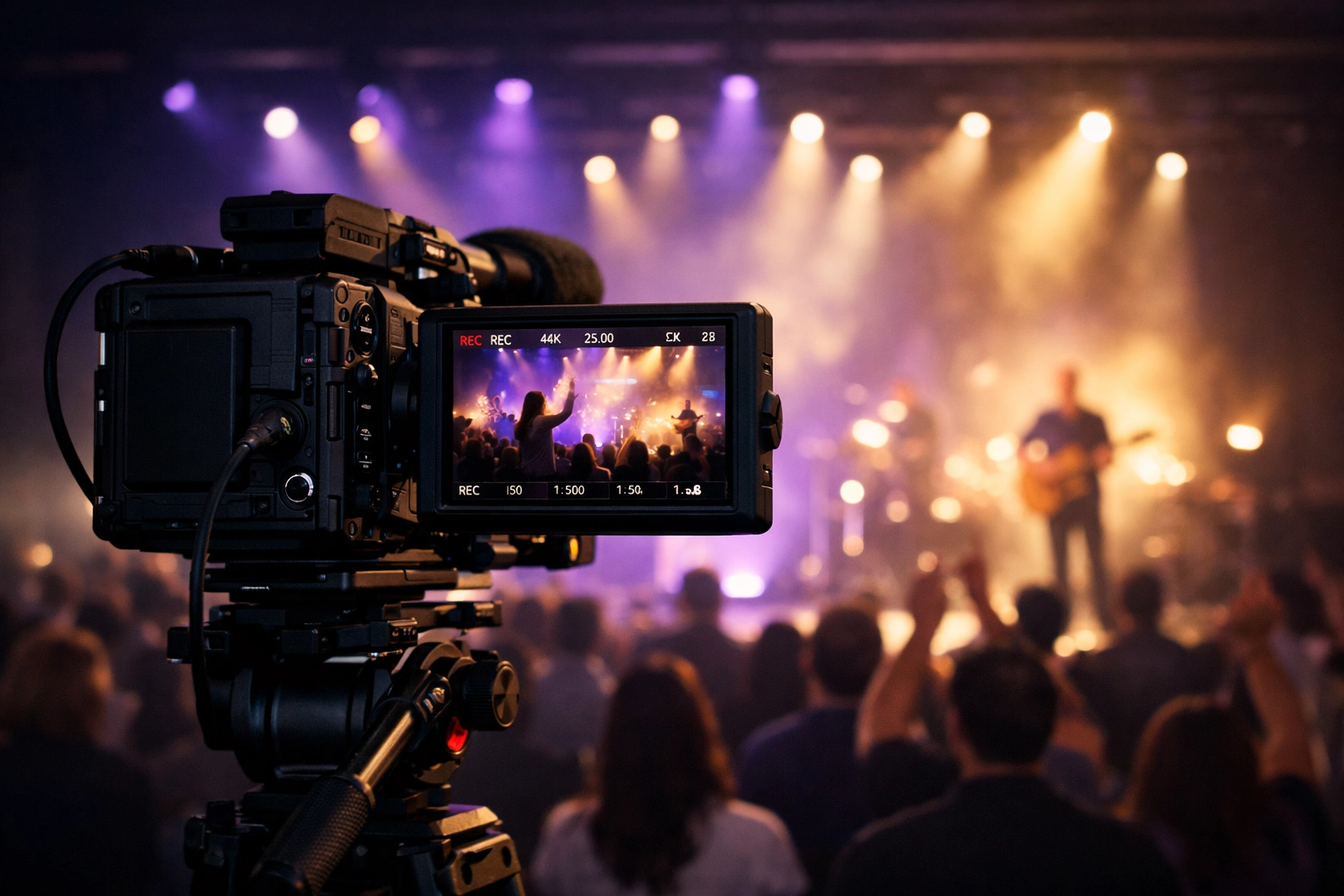
One of the biggest shifts in mission-driven tech over the last few years has been the expansion of the "foyer." In 2026, your church’s front door isn’t the wooden one at the front of the building; it’s the "Play" button on your livestream.
Research shows that a significant portion of congregants: up to 20%: now engage with their church online at least once a month. This isn't just about convenience; it's about accessibility. For the homebound, the traveling family, or the seeker who isn't quite ready to walk into a physical building, the livestream is a lifeline.
When your livestream is mission-driven, you aren't just "broadcasting a show." You are creating a space for worship. This means prioritizing camera angles that feel intimate rather than voyeuristic and ensuring your audio mix is optimized for home listeners, not just the people in the room. If you’re just starting out or looking to refine your setup, check out our small church series on live streaming.
Enhancing the Sanctuary Experience
Inside the four walls of your sanctuary, technology serves to focus the heart. Mission-driven visuals: like well-designed lyrics, scripture verses, and background videos: aren't there to look "cool." They are there to guide the congregation through the narrative of the service.
For many churches, moving from traditional projection to LED walls has been a game-changer. Why? Because LED walls allow you to keep the house lights up so people can actually see their Bibles and the faces of those around them, while still providing a crisp, clear image. It changes the atmosphere from a "dark movie theater" vibe to a "shared community" vibe. If you’re debating this move, we’ve broken down the LED video wall vs. projection debate to help you decide what fits your mission best.
Equipping the Saints: Tech for Volunteer Success
A mission-driven leader knows that the people are more important than the pixels. One of the most overlooked aspects of church tech is the volunteer experience. If your system is so complex that your volunteers are stressed, frustrated, and burnt out, then your technology is failing its mission.
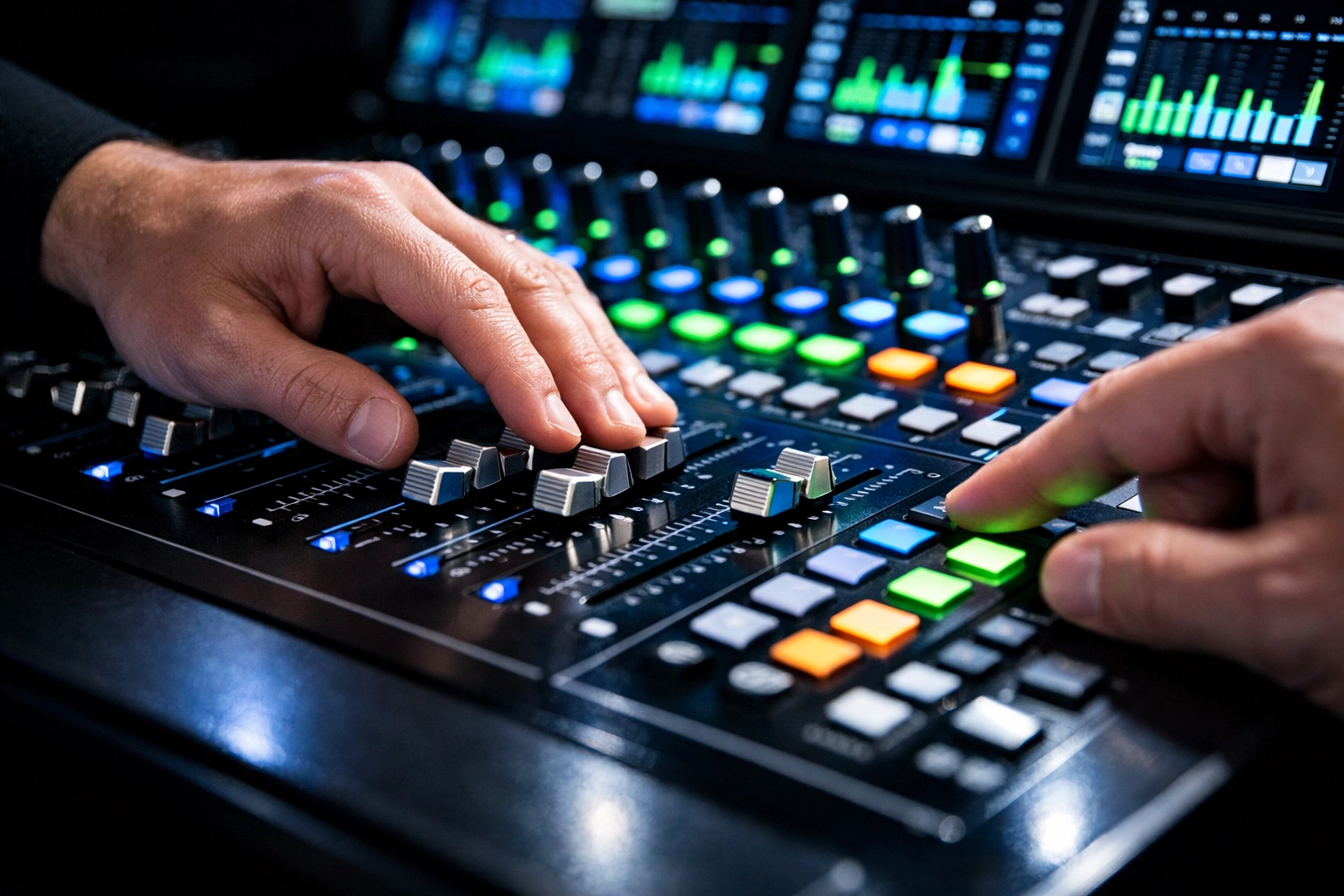
Mission-driven tech choices involve picking systems that are "volunteer-friendly." This might mean choosing a digital mixer with a simple interface or a lighting console that allows for easy presets. Your goal should be to build systems that your volunteers can actually use.
When you simplify the technical side, you empower your volunteers to be worshipers first and technicians second. We’ve found that with the right approach, you can even train volunteers on complex systems in under 30 minutes.
Avoiding the "Technical Necessity" Trap
It’s easy to get caught in the trap of fixing things as they break. We call this "reactive tech." You fix a cable because it’s buzzing. You buy a new projector because the old one died.
But mission-driven tech is proactive. It looks at the future of the church and asks, "Where are we going, and how can our tools help us get there?" This involves avoiding common mistakes with church AV systems and staying ahead of the curve on future trends.
When you lead with mission, your tech budget stops being a "black hole" and starts being a strategic investment. You stop asking "How much does it cost?" and start asking "What does this enable us to do for the Kingdom?"
Final Thoughts
Technology is a gift. It allows us to reach the unreached, sing together with one voice, and archive the Word of God for generations to come. But it only works when it’s held with a loose hand and a focused heart.
At Timato Systems, we’re passionate about helping churches find that balance. Whether you’re looking for a pastor’s guide to sound equipment or a step-by-step guide to setting up a flexible AV system, we want to ensure your tech is always in service of your mission.
Keep your eyes on the mission, and let the tech follow.
Tags: #ChurchTech #ChurchLeadership
Comments