


How to Future-Proof Your Church AV Systems in 5 Strategic Steps
- davidau
- Sep 21, 2025
- 5 min read
Updated: Sep 22, 2025
Technology moves fast, and churches face a unique challenge: creating broadcast-quality audiovisual systems while operating with limited technical staff and tight budgets. Most congregations rely on just one or two full-time team members plus dedicated volunteers to manage complex AV setups that need to work flawlessly every Sunday.
The good news? You can build an AV system today that grows with your ministry for years to come. Here are five strategic steps to future-proof your investment and avoid costly overhauls down the road.
Step 1: Plan for Growth and Changing Ministry Needs
Before you buy a single piece of equipment, take a step back and think bigger picture. Where do you see your congregation in five years? Ten years? Your AV system should accommodate not just your current attendance, but potential growth and evolving ministry formats.
Start by documenting your current needs: average attendance, types of services, special events, and any hybrid or streaming requirements. Then consider future scenarios. Will you add additional services? Expand into community events? Launch a satellite campus?
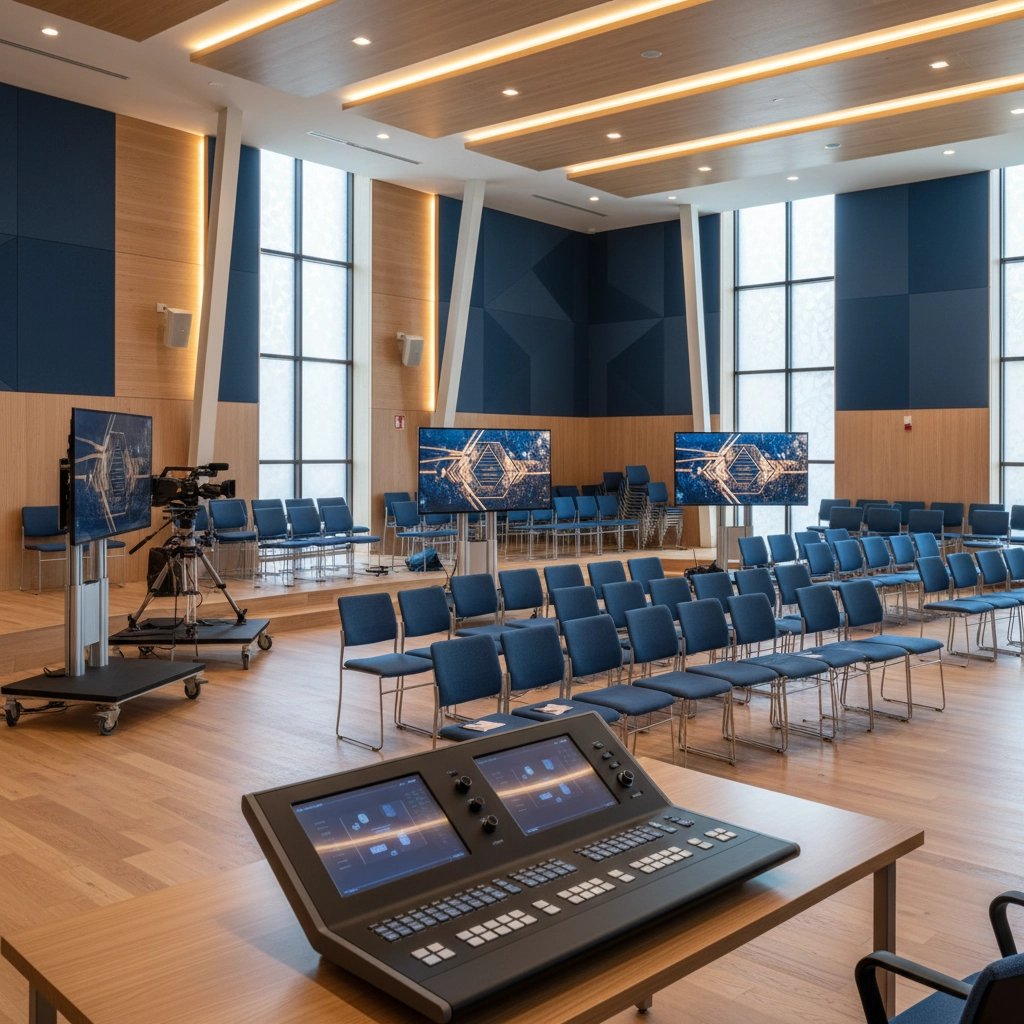
Smart planning means designing flexibility into your system from day one. This might mean running extra cable now for future expansion points, or choosing a mixing console with more channels than you currently need. The upfront investment in scalable infrastructure pays dividends later when you can simply add equipment instead of rewiring entire spaces.
Consider your physical space too. Churches often renovate or expand, and your AV system should adapt to architectural changes. Modular systems that can be reconfigured beat hardwired solutions that become obsolete when you remove a wall or add a balcony.
Step 2: Embrace Modular Technologies
The secret to future-proofing lies in choosing technologies that play well with others and can be easily upgraded piece by piece. Modular systems let you start with what you need now and expand later without throwing away your initial investment.
Take video displays, for example. Traditional projection systems lock you into fixed screen sizes and resolutions. But modular LED video walls can be reconfigured into different shapes, sizes, and resolutions as your needs change. Need a wider display for special events? Add more panels. Want higher resolution for live streaming? Upgrade sections gradually.
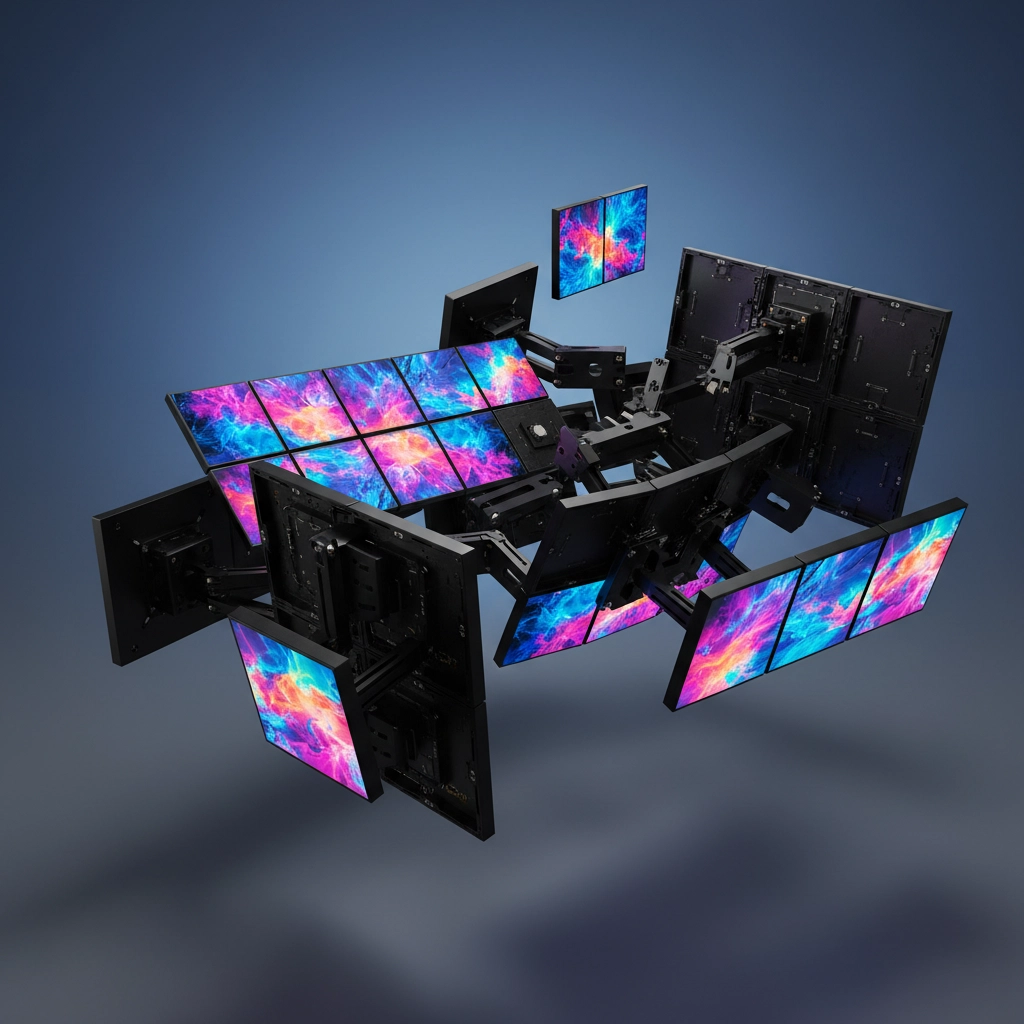
Audio systems benefit from modular thinking too. Instead of large, monolithic mixing consoles, consider systems where you can add input channels, processing power, and output zones over time. This approach spreads costs across multiple budget cycles while ensuring each component can be optimized for its specific role.
The same principle applies to lighting, recording equipment, and control systems. When each component can be independently upgraded or expanded, your entire system stays current longer. You avoid the all-or-nothing replacement cycle that strains budgets and creates operational disruptions.
Step 3: Invest in Professional Design and Installation
This might seem counterintuitive for budget-conscious churches, but professional consultation actually saves money long-term. AV specialists understand the full ecosystem of technologies and can design systems that avoid compatibility issues, performance bottlenecks, and premature obsolescence.
A good consultant starts by understanding your ministry's unique needs, not just your current budget. They'll ask about your worship style, volunteer capabilities, growth plans, and technical comfort level. This information shapes recommendations that fit your context rather than generic solutions that might work poorly in your space.
Professional installation matters just as much as design. Even great equipment performs poorly when improperly configured or installed. Trained installers ensure optimal acoustics, proper cable management, appropriate power distribution, and seamless integration between components.
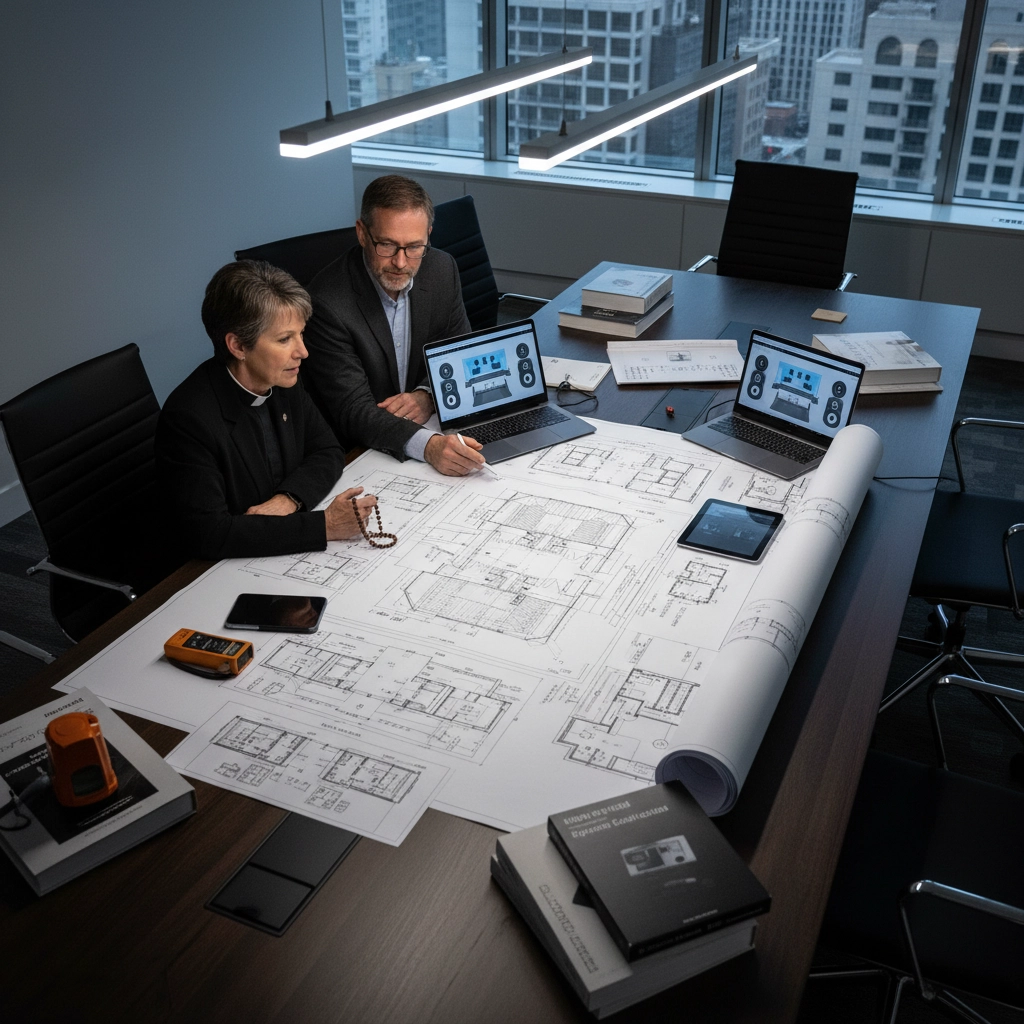
Don't skip the testing phase either. Professional installers will put your system through its paces, training your team on operation while identifying any issues that need addressing. This collaborative approach builds confidence among volunteers who'll be operating the equipment week after week.
Consider ongoing support relationships too. Many integrators offer service contracts that include regular maintenance, software updates, and technical support. These partnerships extend system life and provide access to expertise your internal team might lack.
Step 4: Design for Volunteer Operation
Here's a reality check: the most sophisticated AV system in the world is worthless if your volunteers can't operate it confidently. Churches succeed when technology serves people, not the other way around.
Start with user interfaces that make sense to non-technical operators. Look for mixing consoles with clear labeling, logical layouts, and preset scenes that volunteers can recall with single button presses. Avoid systems that require deep menu diving or complex procedures for basic operations.
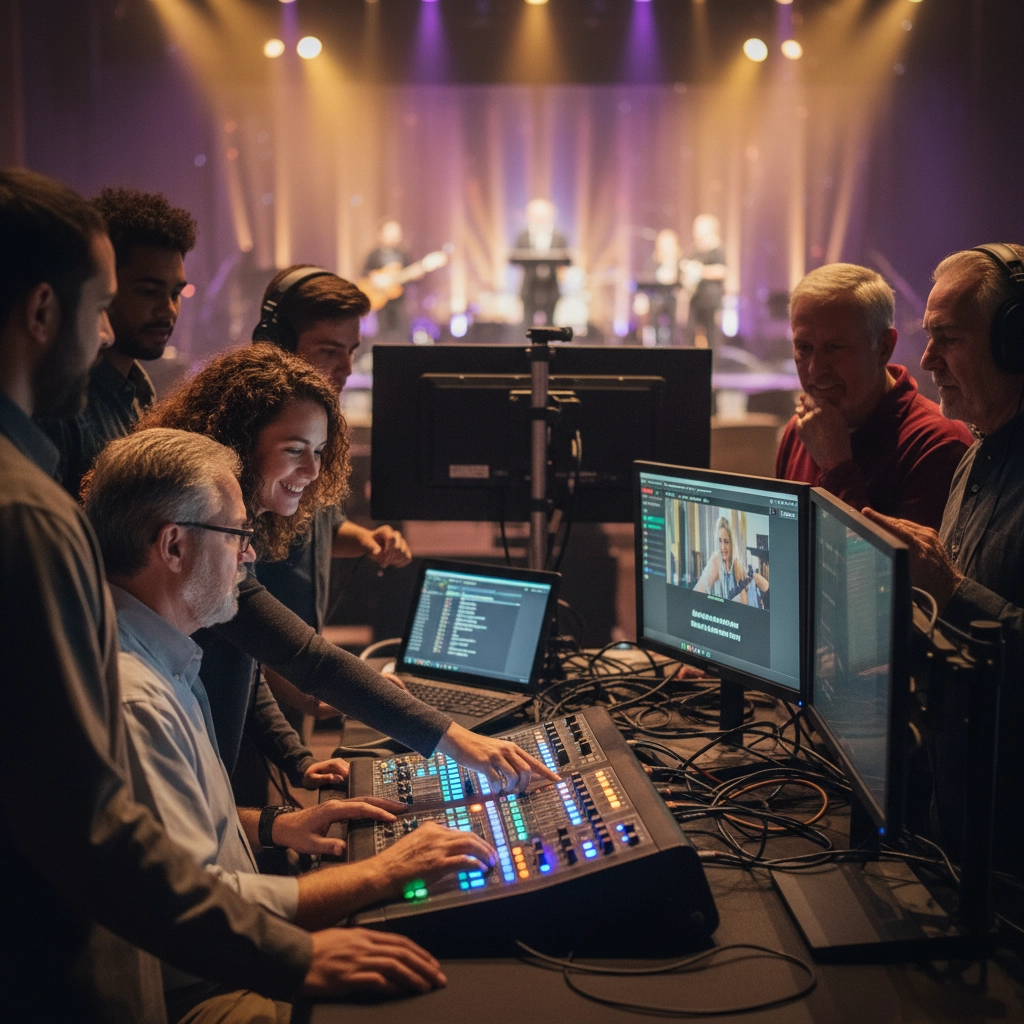
Training programs matter more than any individual piece of equipment. Develop documentation that matches how your volunteers actually think and work. Create checklists for common scenarios, troubleshooting guides for typical problems, and contact information for when things go wrong.
Consider redundancy in both equipment and knowledge. Cross-train multiple volunteers on each system so you're not dependent on single individuals. Build backup procedures that keep services running even when primary systems fail or key volunteers are unavailable.
Remember that volunteer capabilities vary widely. Design systems with multiple complexity levels - simple interfaces for basic operation, with advanced features accessible when needed. This approach helps new volunteers get started quickly while allowing experienced operators to utilize full system capabilities.
Step 5: Build on Digital Networking Infrastructure
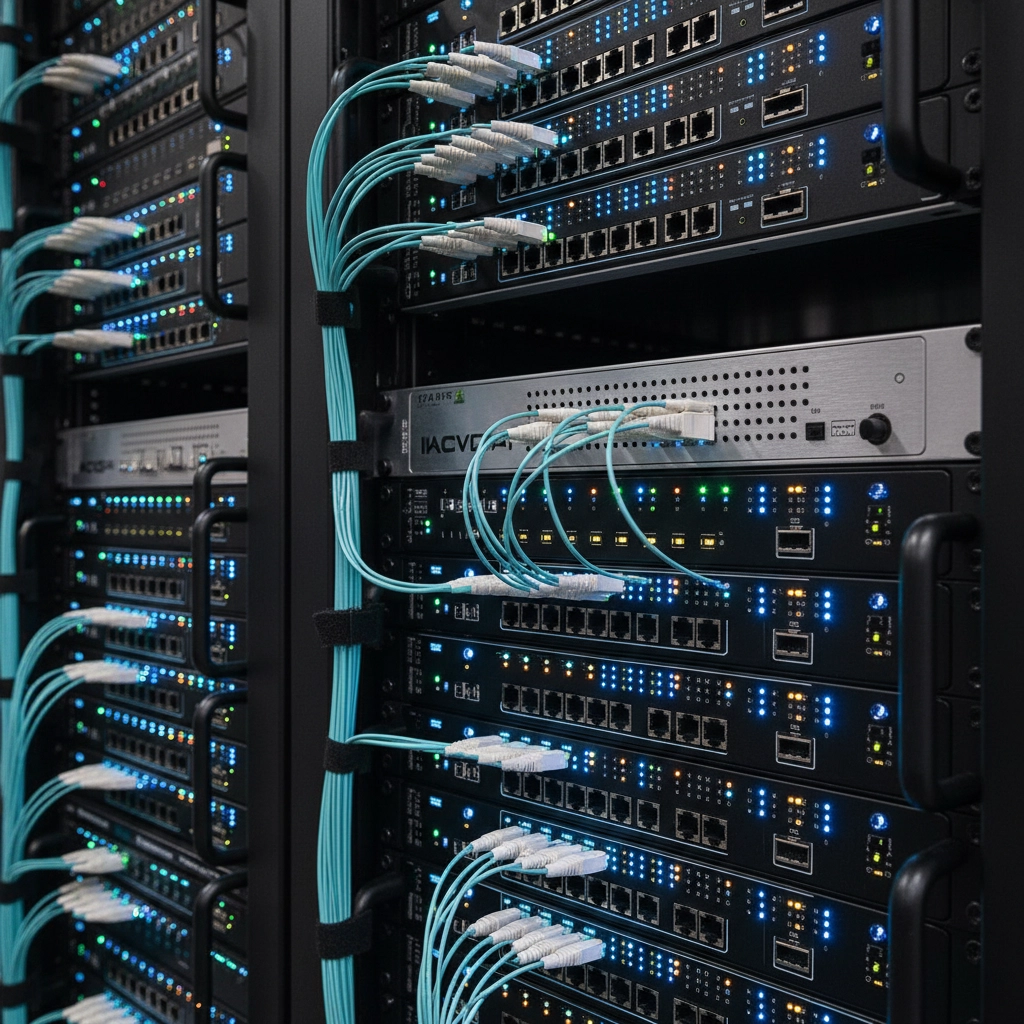
Traditional analog AV systems create bottlenecks that limit flexibility and expansion. Digital networking protocols like Dante and AVB create the backbone for truly scalable systems that can grow and adapt with minimal infrastructure changes.
Digital audio networking revolutionizes how sound moves through your facility. Instead of running individual cables for each microphone and speaker, everything connects to a network that can be reconfigured through software. Adding new input sources or output zones becomes as simple as plugging into network jacks you've already installed.
This networking approach extends beyond audio to video, lighting, and control systems. When everything communicates over standard network protocols, your AV system becomes more like IT infrastructure that can be managed, monitored, and updated remotely.
Focus on proven technologies with strong industry support. While bleeding-edge solutions might offer impressive features, established protocols with widespread adoption provide better long-term support and compatibility. Your church needs reliable technology, not beta testing opportunities.
Consider cloud-based management tools that let you monitor system health, update software, and even provide remote support to volunteers during services. These capabilities become increasingly valuable as systems grow more complex and your technical staff remains limited.
Making It Happen
Future-proofing your AV system requires balancing immediate needs with long-term vision. Start with a solid foundation of professional design and quality infrastructure, then build modular capabilities that can evolve with your ministry.
Remember that the most future-proof system is one that actually gets used effectively every week. Prioritize volunteer-friendly operation and comprehensive training alongside technical capabilities. When your team feels confident with the technology, your entire congregation benefits from better audio, clearer visuals, and more engaging worship experiences.
The investment in future-ready AV systems pays dividends in ministry effectiveness, operational reliability, and financial stewardship. By following these five strategic steps, you're building a technical foundation that serves your congregation well into the future while maximizing the impact of every dollar spent.
Comments