


Factory-Direct AV vs Retail Dealers: Which Is Better For Your Worship Space?
- Tim Adams

- Feb 25
- 5 min read
Updated: Mar 30
When it's time to upgrade your worship center's AV system, you'll quickly face a critical decision: Should you buy factory-direct from manufacturers or work with a retail dealer? Both options have passionate advocates, and frankly, both can be the right choice, depending on your specific situation.
Let's break down what each approach actually means for your budget, your timeline, and the long-term success of your AV investment.
What Factory-Direct Really Means
Factory-direct purchasing means buying equipment straight from the manufacturer, cutting out the middleman entirely. You order online or through the manufacturer's direct sales team, the gear ships to your door, and you're responsible for everything from there.
The appeal is obvious: lower upfront costs. Without distributor markups and retail overhead, factory-direct brands can offer competitive pricing. You're essentially paying for the product itself, plus shipping and whatever customer support the manufacturer provides.
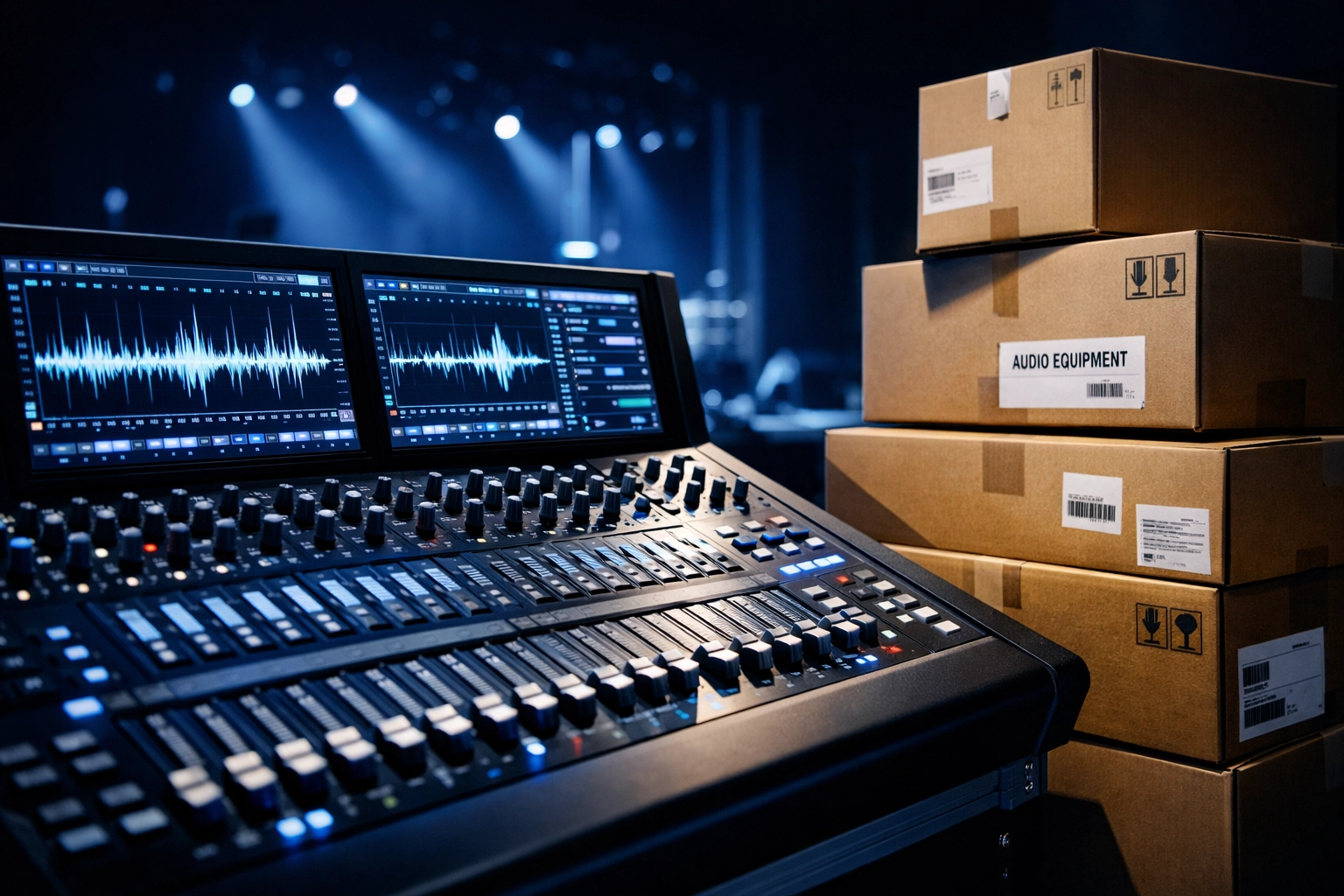
Many popular AV brands have embraced this model. You can order projectors, speakers, mixers, and even complex video walls directly from manufacturers who have invested heavily in e-commerce platforms and direct customer service teams.
But here's what most people don't realize: factory-direct isn't always as straightforward as it sounds, especially for worship environments with unique acoustic challenges and multi-room setups.
The Retail Dealer Model Explained
Retail AV dealers operate differently. They maintain physical locations (or service networks), employ trained technicians, stock inventory, and build relationships with multiple manufacturers. Yes, they add margin to cover their overhead, typically 30% or more on audio components, but that margin pays for something tangible.
A professional AV dealer becomes your partner throughout the entire project lifecycle. They assess your worship space, recommend compatible equipment from various brands, handle installation, calibrate systems to your specific acoustic environment, and provide ongoing support when issues arise.
The best dealers realize they're not just selling boxes. They're selling expertise, accountability, and peace of mind. They know that a sound system performing flawlessly on Sunday morning is worth far more than saving 20% on the initial purchase.
The Real Cost Comparison
Let's talk numbers honestly. Factory-direct pricing does eliminate several markup layers. If a wireless microphone system retails for $3,000 through a dealer, you might find it for $2,100 direct from the manufacturer. That's a $900 difference, nothing to sneeze at when you're equipping multiple rooms.
But here's the catch: that $900 doesn't account for the hidden costs that surface later.
Who will install your new system? If you're paying an independent technician $85-150 per hour, your savings start evaporating quickly. A moderately complex installation can take 15-40 hours depending on cable runs, equipment mounting, and integration with existing systems.
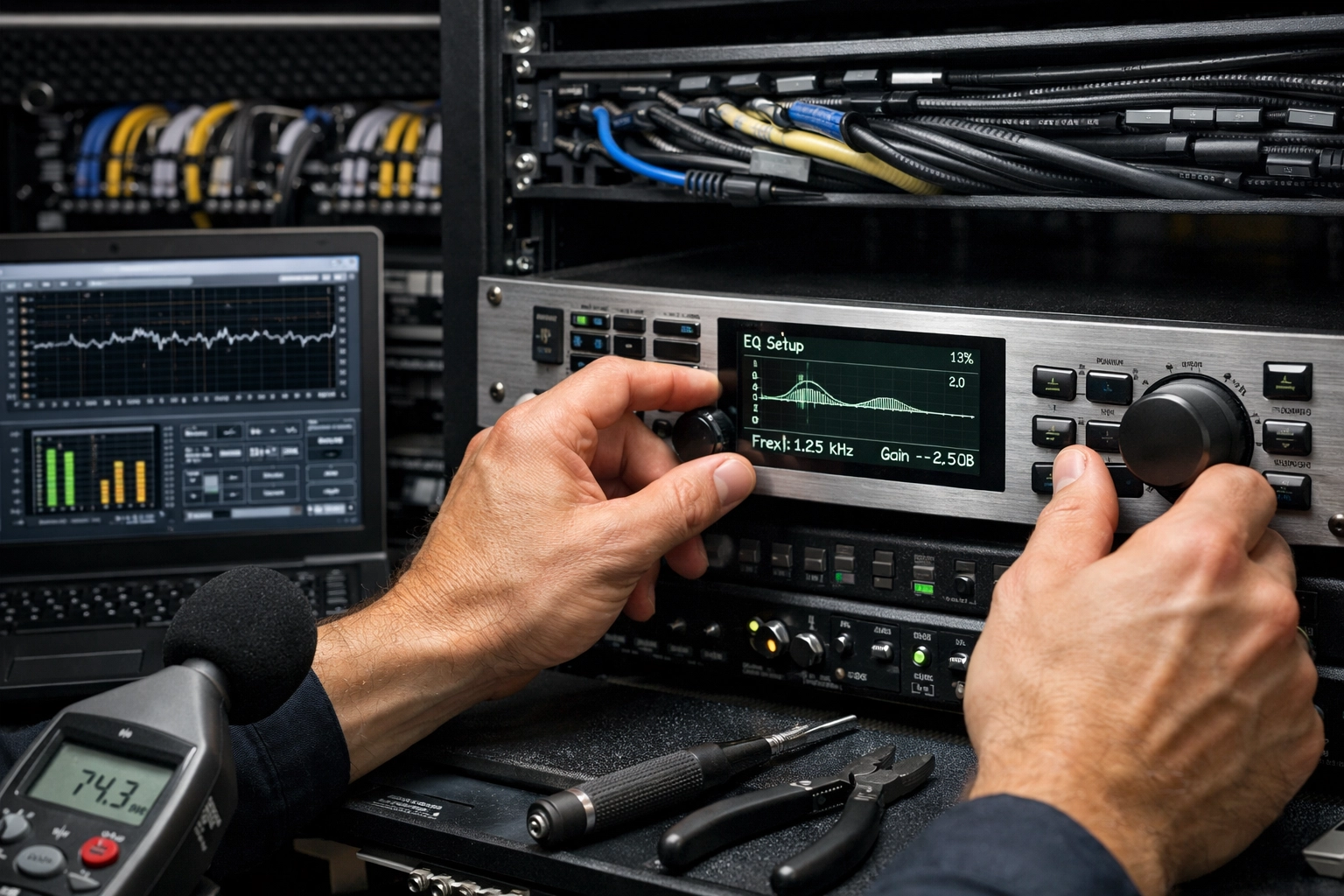
What about calibration? Most modern sound systems require sophisticated tuning to account for room acoustics. Getting this wrong means muddy audio, feedback issues, and frustrated volunteers. Professional dealers include this service; factory-direct buyers often skip it entirely or pay separately.
And then there's troubleshooting. When something stops working at 8:45 AM on Sunday (and it will eventually), who do you call? Factory customer service might get back to you on Monday. Your local dealer? They'll often have someone en route within the hour.
Where Factory-Direct Makes Sense
Factory-direct purchasing can absolutely be the right choice in specific scenarios:
For simple, standalone equipment: If you're just replacing a couple of worn-out speakers in a small fellowship hall, buying direct makes perfect sense. Plug them in, adjust the volume, and you're done.
When you have in-house expertise: Some larger worship centers employ full-time AV staff with professional backgrounds. These teams can handle installation, calibration, and troubleshooting themselves. For them, factory-direct is a no-brainer.
For standardized replacements: When you're swapping out a failed component with an identical model, there's no need to pay dealer markup. You already know it's compatible and how to install it.
Budget-conscious initial builds: Newer or smaller communities sometimes need to stretch every dollar. Buying direct and recruiting knowledgeable volunteers for installation can make a decent system affordable when it otherwise wouldn't be.
Where Dealers Provide Real Value
Retail dealers shine in situations that define most worship space AV projects:
Complex multi-room systems: When you're integrating sanctuary audio, video streaming, lobby displays, and classroom systems, compatibility matters enormously. Dealers navigate these challenges daily and prevent costly mistakes before they happen.
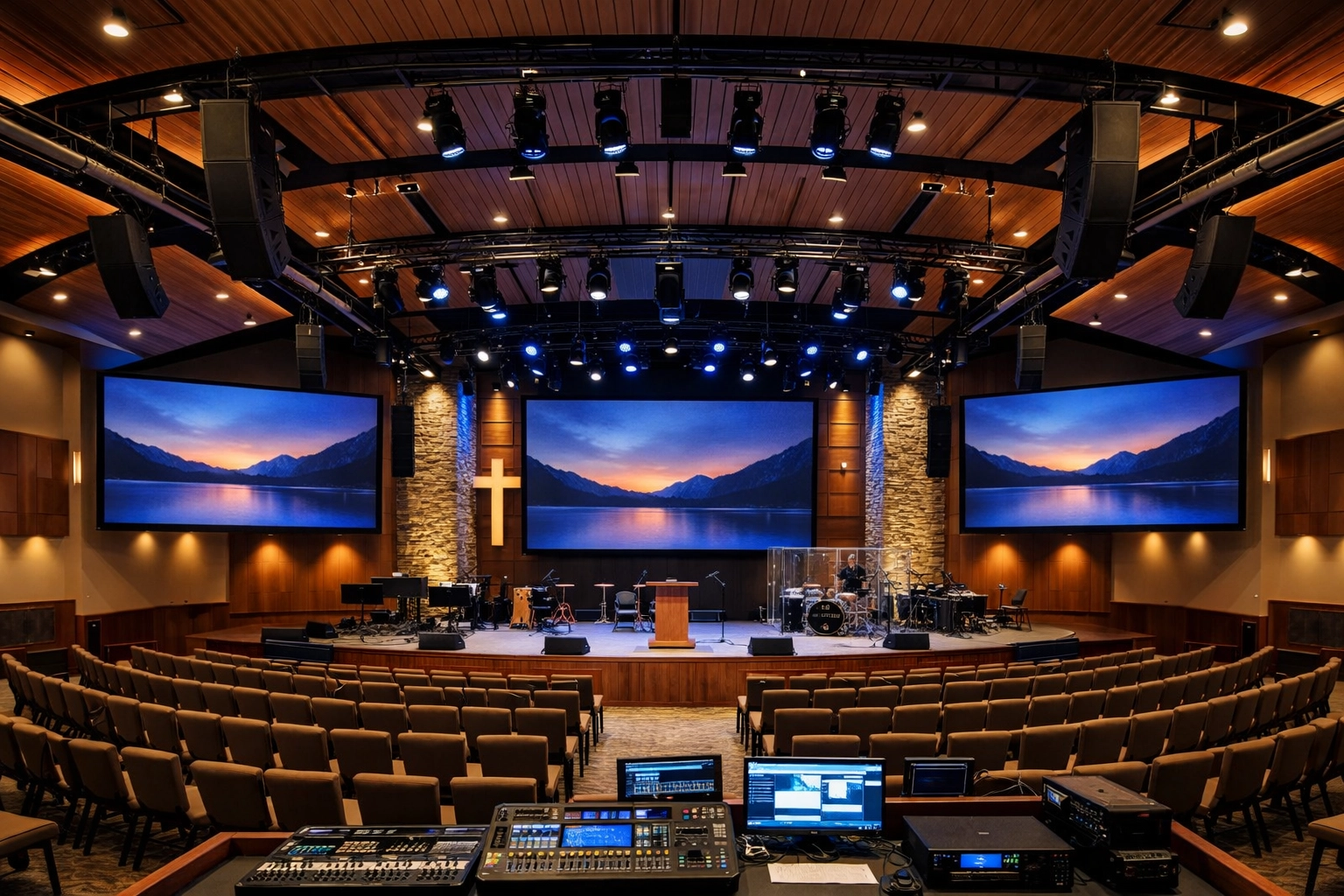
Custom installation requirements: Your 1950s sanctuary with vaulted ceilings and stone walls presents unique acoustic challenges. Dealers bring experience from dozens of similar projects and know exactly which equipment will perform in your specific environment.
Ongoing system management: AV systems aren't "set it and forget it." They require updates, adjustments, and occasional repairs. A dealer relationship means you have a partner who knows your setup intimately and can respond quickly.
Training and documentation: Good dealers don't just install equipment and leave. They train your volunteers, create simplified operation guides, and make themselves available when your team has questions.
Warranty and service coordination: When equipment fails under warranty, dealers handle the manufacturer communication, paperwork, and often provide loaner equipment while repairs happen. Factory-direct buyers manage all this themselves.
The Hybrid Approach Nobody Talks About
Here's a strategy that many savvy worship centers use: strategic sourcing.
Buy commodity items factory-direct: cables, stands, basic accessories. These simple products don't require professional installation or specialized knowledge.
Partner with a dealer for core system components: mixing consoles, speaker arrays, video processors, streaming equipment. These are the items where professional expertise pays dividends.
This hybrid approach maximizes your budget while ensuring the critical elements of your system are properly implemented. Just make sure your dealer knows you're taking this approach, most are fine with it as long as they're handling the complex integration work where their expertise really matters.
Making Your Decision
So which is better for your worship space? Ask yourself these questions:
Do you have technical expertise in-house? If yes, factory-direct becomes more viable. If no, dealer support is probably worth the premium.
How complex is your project? Simple equipment swaps favor factory-direct. Multi-room integrations favor dealer partnerships.
What's your true total budget? Include installation, calibration, training, and ongoing support: not just equipment costs.
How important is response time? If system downtime costs you Sunday services, local dealer support is invaluable.
Can you wait for shipping and potential returns? Factory-direct means managing logistics yourself, including warranty returns. Dealers typically handle this faster.

The Bottom Line
There's no universal "better" option here. Factory-direct purchasing works beautifully for straightforward equipment needs handled by knowledgeable teams. Retail dealers provide tremendous value for complex projects requiring professional installation and ongoing support.
The worst mistake you can make is choosing based solely on initial price quotes without considering the full lifecycle costs and your team's capabilities. A "cheap" factory-direct system that nobody can operate properly wastes more money than a well-implemented dealer solution that serves your community flawlessly for a decade.
Your worship space deserves AV technology that works reliably and enhances your mission. Whether that comes from a manufacturer's warehouse or a local dealer's expertise depends entirely on your unique situation. Take the time to honestly assess your needs, capabilities, and priorities( the right answer will become clear.)
Comments