


Stop Wasting Money on Generic AV: 7 Quick Wins for Reliable Worship Tech
- Tim Adams

- Feb 18
- 5 min read
Updated: Mar 30
Every year, thousands of faith communities drop serious cash on AV systems that promise the world and deliver... mediocrity. Generic packages. Cookie-cutter solutions. Equipment that looks impressive on paper but falls flat when the worship band kicks in or the livestream starts buffering.
Here's the truth: you don't need the most expensive gear. You need the right gear, installed correctly, with a strategy behind it.
Let's talk about seven quick wins that'll help you stop bleeding money on generic solutions and start building worship tech that actually works for your congregation.
1. Skip the One-Size-Fits-All Package
That "complete worship AV package" you saw online? It wasn't designed for your sanctuary. It was designed to fit as many buildings as possible, which means it's optimized for exactly zero of them.
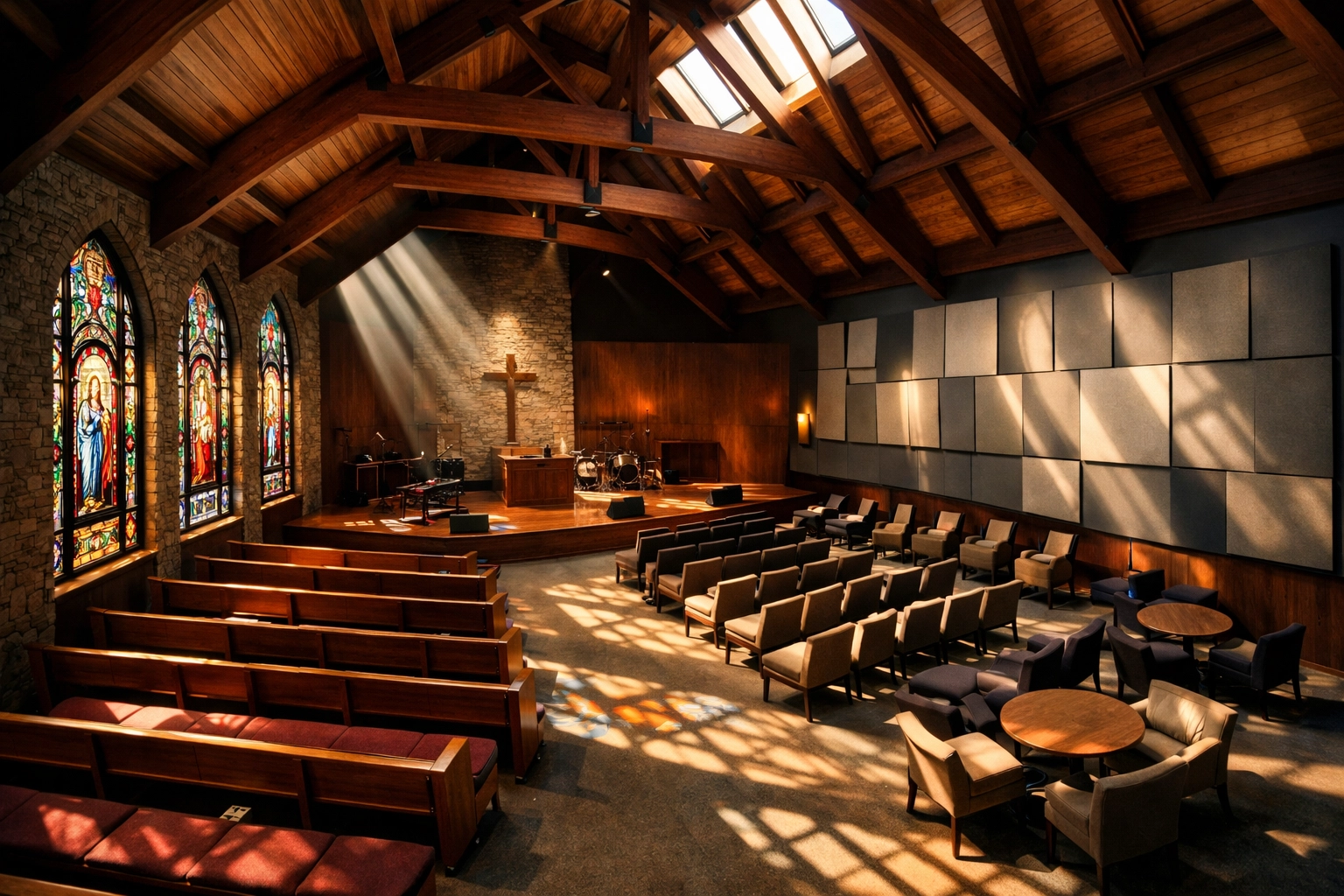
Your worship space is unique. The acoustics, the seating layout, the ceiling height, the natural light, all of it matters. A sound system that works beautifully in a modern building with acoustic panels might sound muddy in a traditional sanctuary with hard surfaces and high ceilings.
The quick win: Before you buy anything, get a professional assessment of your specific space. Companies that specialize in worship environments can evaluate your acoustics, sightlines, and technical needs to recommend solutions tailored to your actual situation, not a generic package that might or might not work.
2. Audit Before You Buy
Here's a money-saving secret most AV vendors won't tell you: you probably don't need to replace everything.
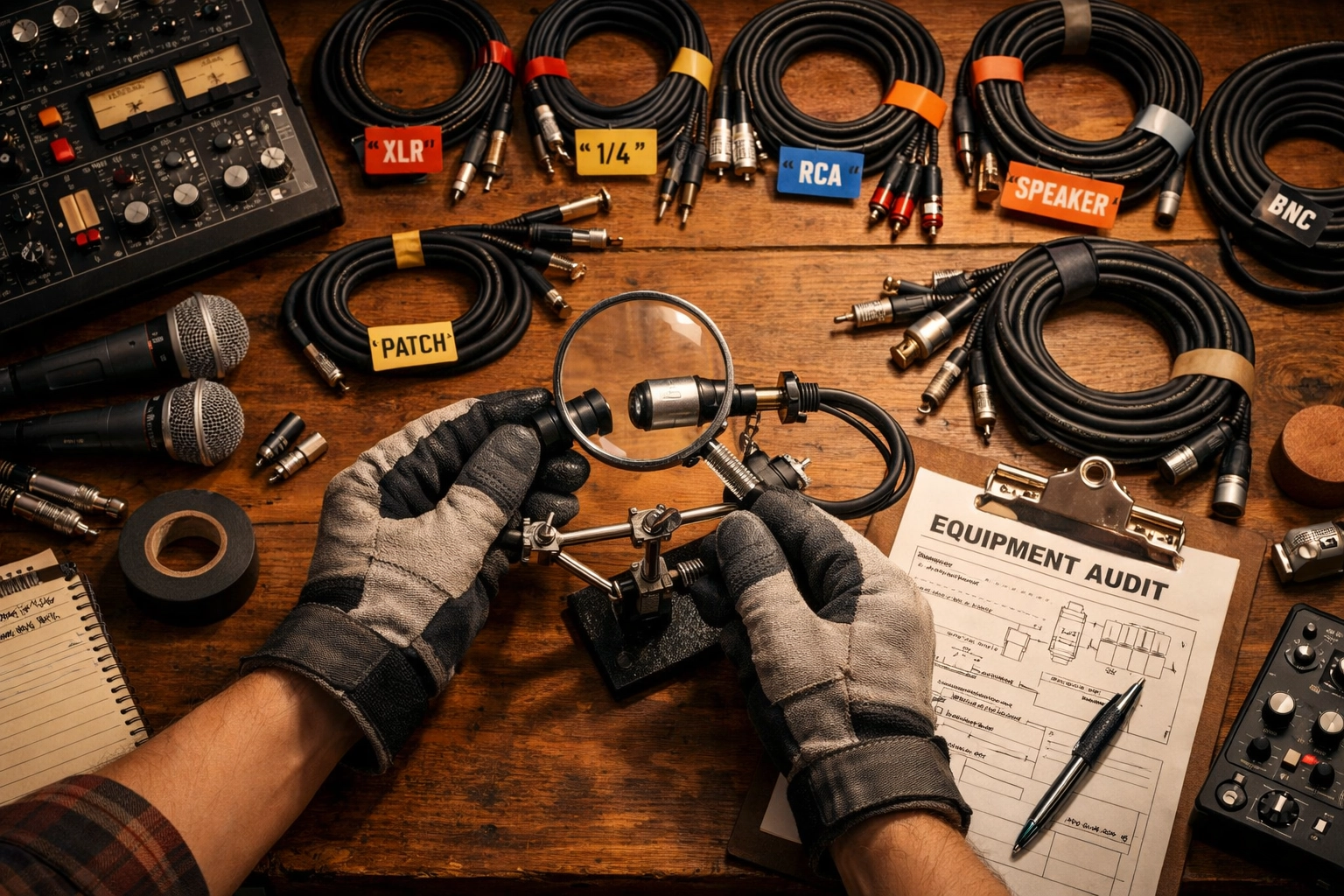
Many worship spaces already have perfectly good cabling, mounting hardware, or even speakers that can be integrated into an upgraded system. But if you're buying a generic package, you're starting from scratch, and paying for equipment you might not need.
The quick win: Start every upgrade project with a thorough audit of your existing equipment. What's working well? What can be repurposed? What absolutely needs to be replaced? A good consultant will help you maximize what you already have instead of pushing a complete teardown.
This approach can save you thousands of dollars while still giving you significant improvements in audio and video quality.
3. Demand Transparent Pricing Upfront
Nothing tanks a worship tech project faster than surprise costs. Generic AV vendors love to quote a base price, then hit you with fees for installation, configuration, training, and "custom modifications" as the project progresses.
Suddenly, your $30,000 system costs $45,000, and you're scrambling to explain to your board why you went over budget.
The quick win: Only work with vendors who provide complete, upfront pricing that includes everything: equipment, installation, configuration, testing, and initial training. No hidden fees. No surprise markups. No "oh, by the way" charges three weeks into the project.
Ask specifically about what's included in the quote and what might cost extra. Get it in writing. If a vendor can't give you clear pricing, that's a red flag.
4. Choose Integration Over Replacement
Your team already knows how to use Planning Center, ProPresenter, or whatever platforms run your services. Your livestream setup connects to Facebook and YouTube. Your sound volunteers have their workflow dialed in.
Why would you want a new AV system that forces everyone to relearn everything?
Generic AV packages often require you to abandon your existing workflows and adopt entirely new systems. That means training costs, adjustment periods, and frustrated volunteers who just want to serve without fighting technology.
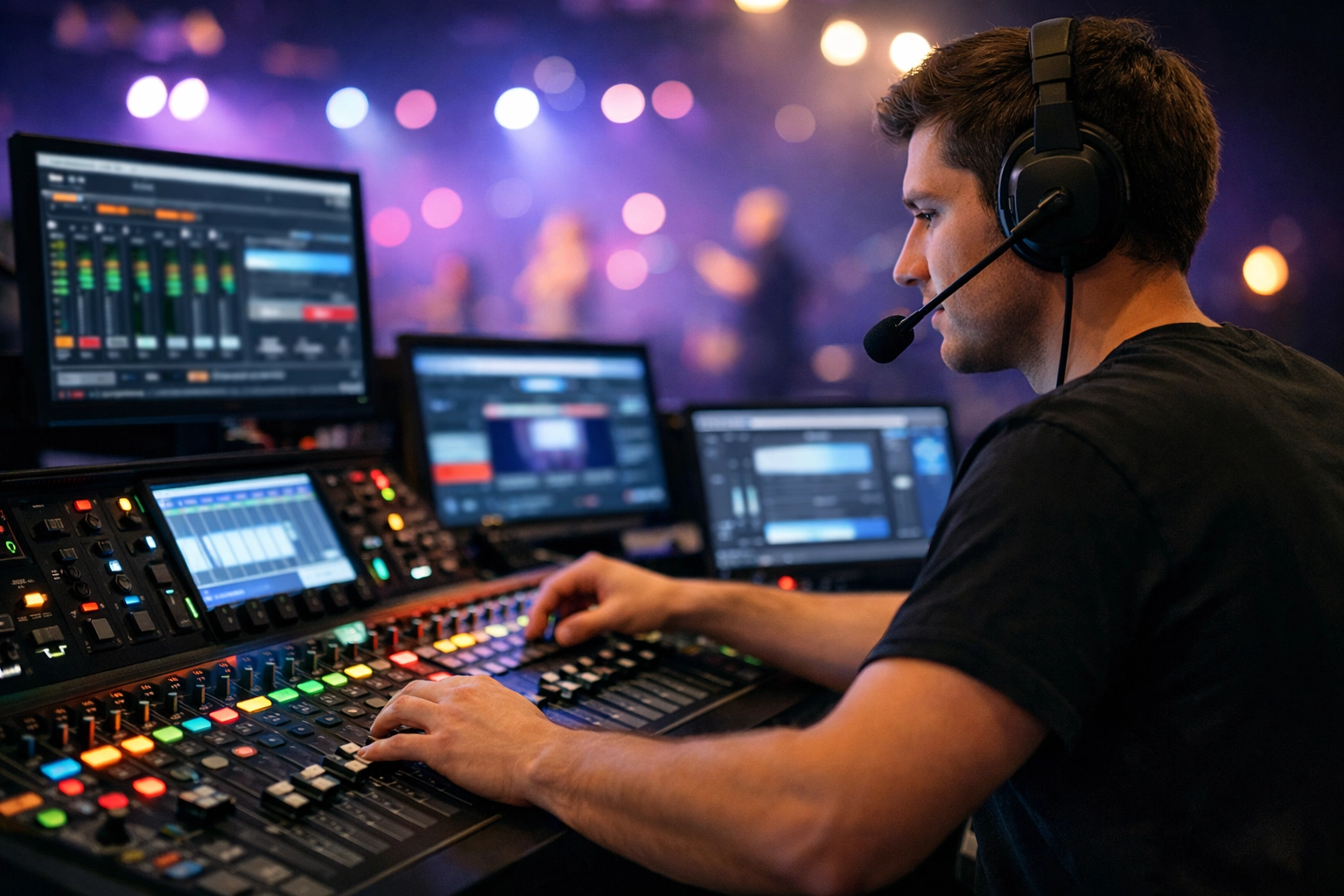
The quick win: Prioritize AV solutions that integrate with the platforms and processes you already use. Can the new mixing console talk to your existing streaming setup? Will your presentation software work with the new video switcher? Can volunteers still use the interfaces they're familiar with?
Integration saves money on training, reduces technical friction, and keeps your team focused on ministry instead of troubleshooting compatibility issues.
5. Budget for Training, Not Just Equipment
Here's where most worship tech projects go wrong: they spend 95% of the budget on equipment and 5% on helping people actually use it. Then they wonder why the expensive new system sounds worse than the old one.
Generic AV packages typically include minimal training, maybe a quick walkthrough on installation day. But real competence takes time, especially for volunteer teams who aren't full-time audio engineers.
The quick win: Build comprehensive training into your budget from day one. Look for vendors who offer ongoing support, not just a handoff after installation. This might include:
In-person training sessions for your entire tech team
Written documentation specific to your setup
Video tutorials covering common scenarios
Access to support when issues arise
Refresher training for new volunteers
Yes, this costs money upfront. But it saves you from expensive emergency service calls when something goes wrong during a service, and it ensures your investment actually improves your worship experience.
6. Think Modular, Not Monolithic
Technology changes fast. The streaming equipment that's cutting-edge today might be outdated in three years. The display technology that's standard now will be replaced by something better before long.
Generic, all-in-one AV packages lock you into a specific configuration. When one component becomes outdated, you're stuck with it: or you're replacing the entire system.
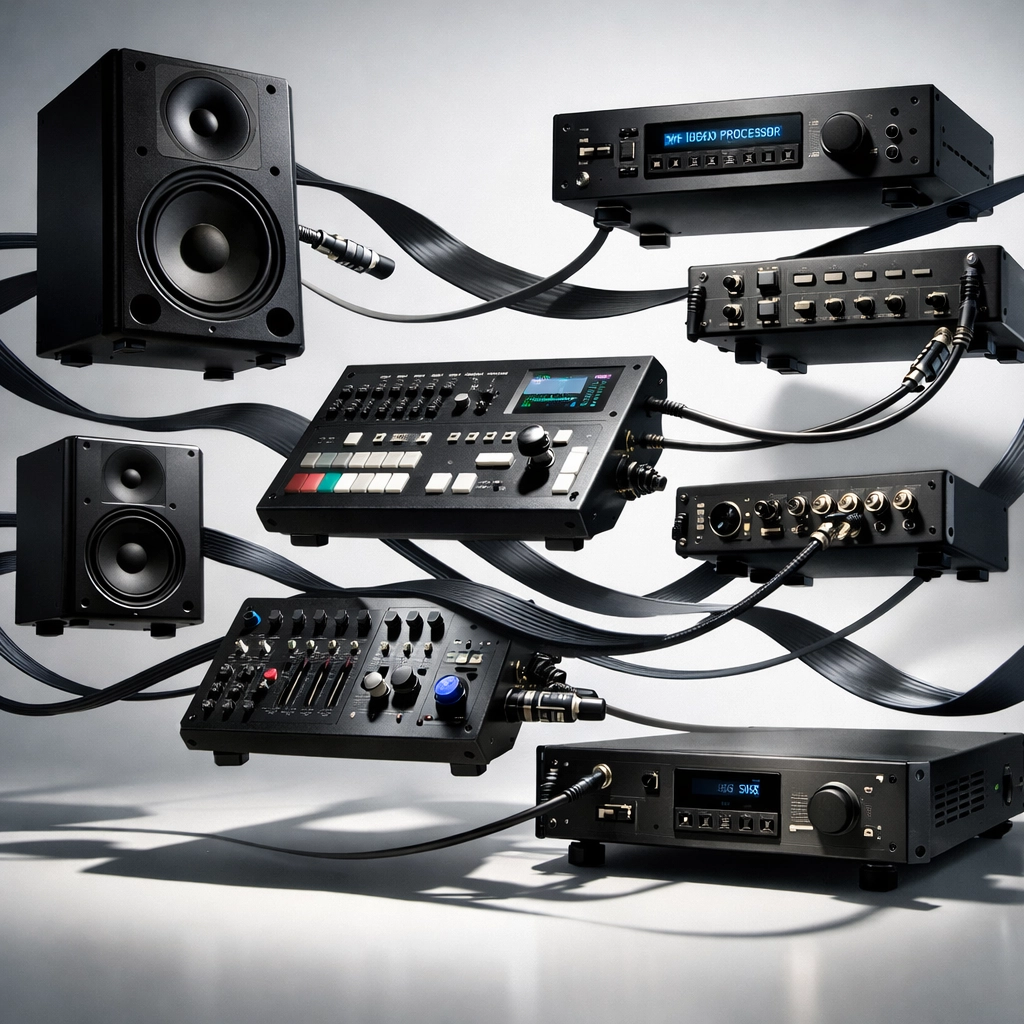
The quick win: Choose modular, scalable systems that can grow and evolve with your congregation. Purpose-built worship technology should allow you to:
Upgrade individual components without replacing everything
Add capabilities as your needs expand
Scale up or down based on budget and requirements
Integrate new technologies as they become available
This approach costs less in the long run because you're not stuck in a cycle of complete system replacements every few years. You upgrade what needs upgrading and keep what's still working well.
7. Partner with Ministry-Minded Vendors
Not all AV companies understand worship. Some see faith communities as just another commercial client: they're focused on selling equipment and moving to the next job.
But worship technology has unique requirements. You need systems that work reliably every single week. You need solutions that volunteers can operate confidently. You need vendors who understand that your ultimate goal isn't impressive technology: it's creating space for people to encounter God.
The quick win: Work with vendors who specialize in worship environments and demonstrate a ministry mindset. Look for companies that:
Ask about your congregation's needs before recommending equipment
Focus on solving problems, not just selling products
Provide ongoing support and maintenance partnerships
Have experience working with volunteer tech teams
Understand the unique challenges of worship production
These partners cost about the same as generic vendors, but they deliver dramatically better results because they're designing solutions for your specific ministry context.
The Bottom Line
Generic AV solutions are expensive precisely because they're generic. You pay for equipment you don't need, features you'll never use, and configurations that don't fit your space. Then you pay again when things don't work as expected.
The seven quick wins we've covered aren't about spending more money: they're about spending smarter. Custom consultation, honest pricing, integration with existing systems, comprehensive training, modular design, and ministry-focused partnerships all cost less in the long run than buying generic packages and hoping for the best.
Your congregation deserves worship technology that works reliably, supports your ministry goals, and doesn't require constant troubleshooting or emergency repairs. That doesn't happen by accident. It happens when you approach AV upgrades strategically, with the right partners and the right priorities.
Ready to stop wasting money on generic solutions and start building worship tech that actually works? Let's talk about your specific needs and create a customized plan that fits your space, your budget, and your ministry.
Comments